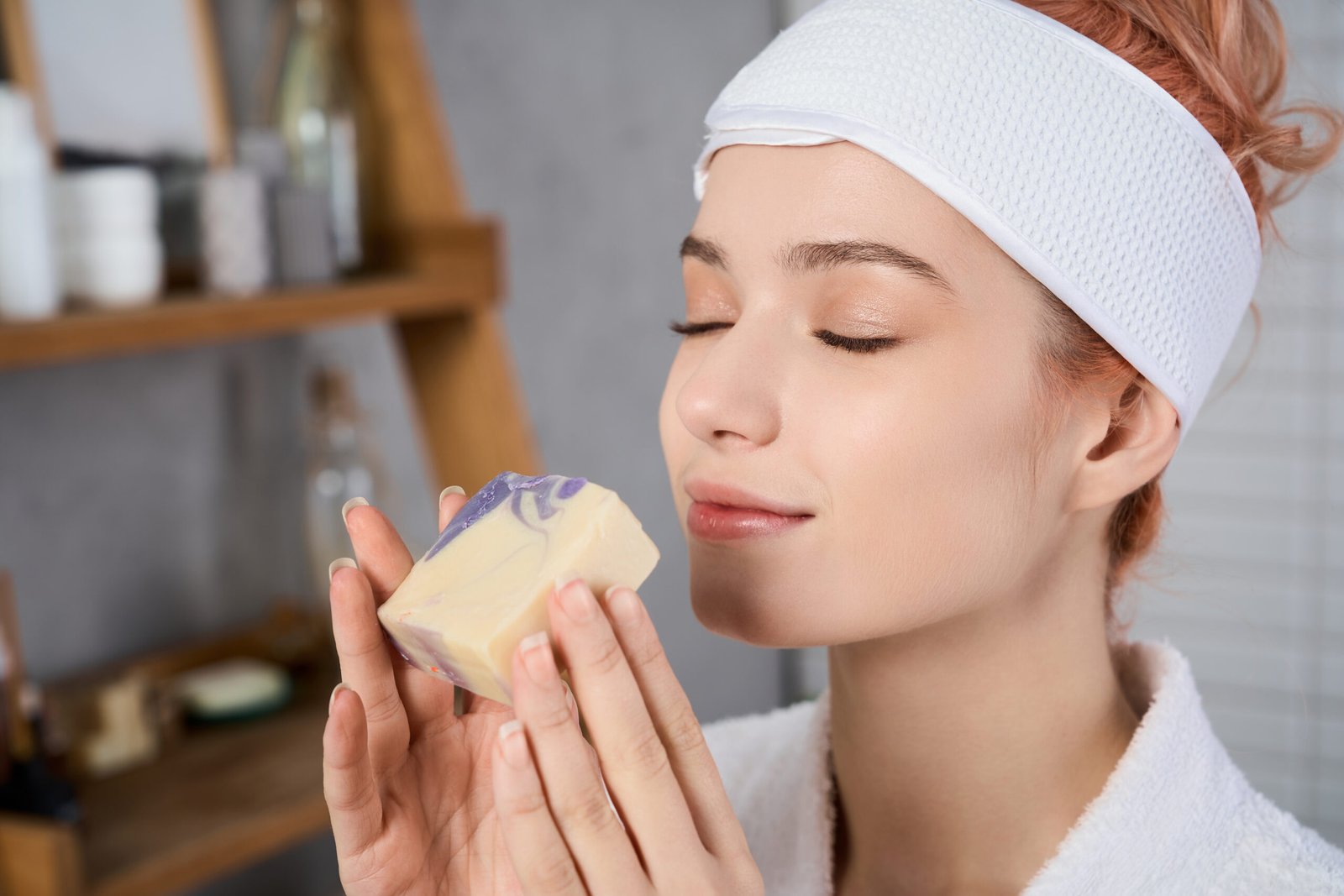
Anti Acne Soap
Original price was: ₨ 549.₨ 449Current price is: ₨ 449.
Anti-Acne Soap cleanses, fights bacteria, unclogs pores, controls oil, and reduces pimples for clearer, healthier, acne-prone skin.
Description
Acne is one of the most common skin concerns worldwide, affecting teenagers and adults alike. Anti-acne soaps are specially formulated to target the causes of acne, reduce inflammation, and promote clearer skin. Unlike regular soaps, these products contain ingredients designed to unclog pores, control excess oil, and prevent bacterial growth. Understanding how anti-acne soaps work, their benefits, proper usage, and precautions can help you achieve healthier skin and avoid common pitfalls.
Benefits of Anti-Acne Soaps
-
Controls Excess Oil
Anti-acne soaps often contain ingredients like salicylic acid or tea tree oil that help regulate sebum production, reducing the greasy environment that promotes acne growth. -
Fights Bacteria
Many anti-acne soaps have antibacterial agents that target acne-causing bacteria such as Propionibacterium acnes, helping to prevent breakouts and infections. -
Exfoliates Dead Skin Cells
Ingredients like salicylic acid or glycolic acid gently exfoliate the skin, removing dead cells that can clog pores and lead to blackheads or whiteheads. -
Reduces Inflammation and Redness
Anti-acne soaps often include soothing agents such as aloe vera, chamomile, or neem, which reduce swelling and redness associated with acne lesions. -
Promotes Clearer Skin Over Time
Regular use can improve skin texture, reduce acne recurrence, and leave the skin looking healthier and more balanced.
Uses of Anti-Acne Soaps
-
Daily Face Wash
Anti-acne soap can be used once or twice daily on the face to cleanse impurities, oil, and bacteria. -
Spot Treatment
For mild breakouts, a bar can be gently rubbed on specific acne-prone areas for targeted action. -
Body Acne Management
Anti-acne soaps are effective on the back, chest, and shoulders where body acne can occur due to sweat and clogged pores. -
Preparation for Other Treatments
Using anti-acne soap before applying serums, gels, or topical treatments ensures cleaner skin, enhancing absorption and effectiveness.Tips for Maximum Benefits
-
Use lukewarm water to avoid irritation.
-
Apply gently in circular motions for 30–60 seconds.
-
Rinse thoroughly and pat dry.
-
Follow up with a non-comedogenic moisturizer.
-
Avoid touching your face frequently to prevent bacterial transfer.
-
Skin Effectiveness of Anti-Acne Soaps
-
Mild to Moderate Acne
Anti-acne soaps are most effective for mild to moderate acne, such as blackheads, whiteheads, or small pustules. -
Combination Skin
People with combination or oily skin often see better results as the soap regulates oil without overly drying dry areas. -
Consistency Matters
For visible improvement, consistent use over 4–6 weeks is recommended. Acne treatment requires patience. -
Complementary Treatments
For severe or cystic acne, anti-acne soaps work best alongside topical creams, gels, or dermatologist-prescribed medications. -
Gentle Formulations for Sensitive Skin
Some anti-acne soaps include natural ingredients like neem, aloe vera, or tea tree oil for sensitive skin, reducing the risk of irritation.
Things to Avoid When Using Anti-Acne Soaps
-
Over-Washing
Excessive use can strip natural oils, causing dryness and irritation. Stick to once or twice a day. -
Scrubbing Too Hard
Vigorous scrubbing can damage the skin barrier, worsen inflammation, and trigger more acne. -
Using on Broken Skin
Avoid using anti-acne soap on open wounds, cuts, or active cystic acne to prevent stinging or irritation. -
Combining with Harsh Products
Do not use with strong chemical peels, alcohol-based toners, or multiple acne treatments at the same time without consulting a dermatologist. -
Ignoring Moisturizer
Even acne-prone skin needs hydration. Skipping moisturizer can lead to excess oil production and more breakouts.
Related products
-
Sale!
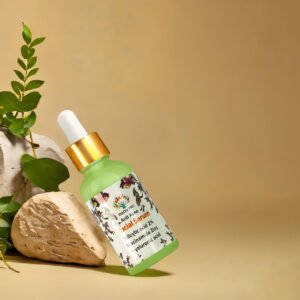
Anti-Acne Serum for Unisex
Original price was: ₨ 1,499.₨ 1,199Current price is: ₨ 1,199. Add to cart -
Sale!
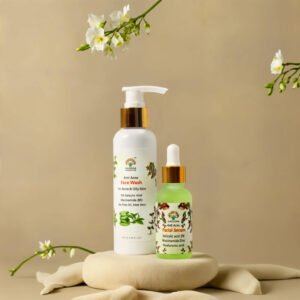
Anti-Acne Serum & facewash
Original price was: ₨ 2,099.₨ 1,999Current price is: ₨ 1,999. Add to cart -
Sale!
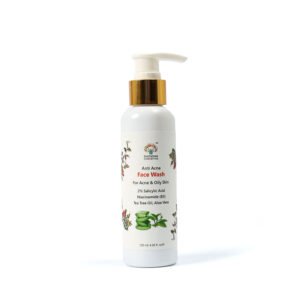
Anti-Acne Face Wash for Womens
Original price was: ₨ 1,199.₨ 1,099Current price is: ₨ 1,099. Add to cart -
Sale!
Anti-Acne Face Wash for Unisex
Original price was: ₨ 1,199.₨ 1,099Current price is: ₨ 1,099. Add to cart

Reviews
There are no reviews yet.