
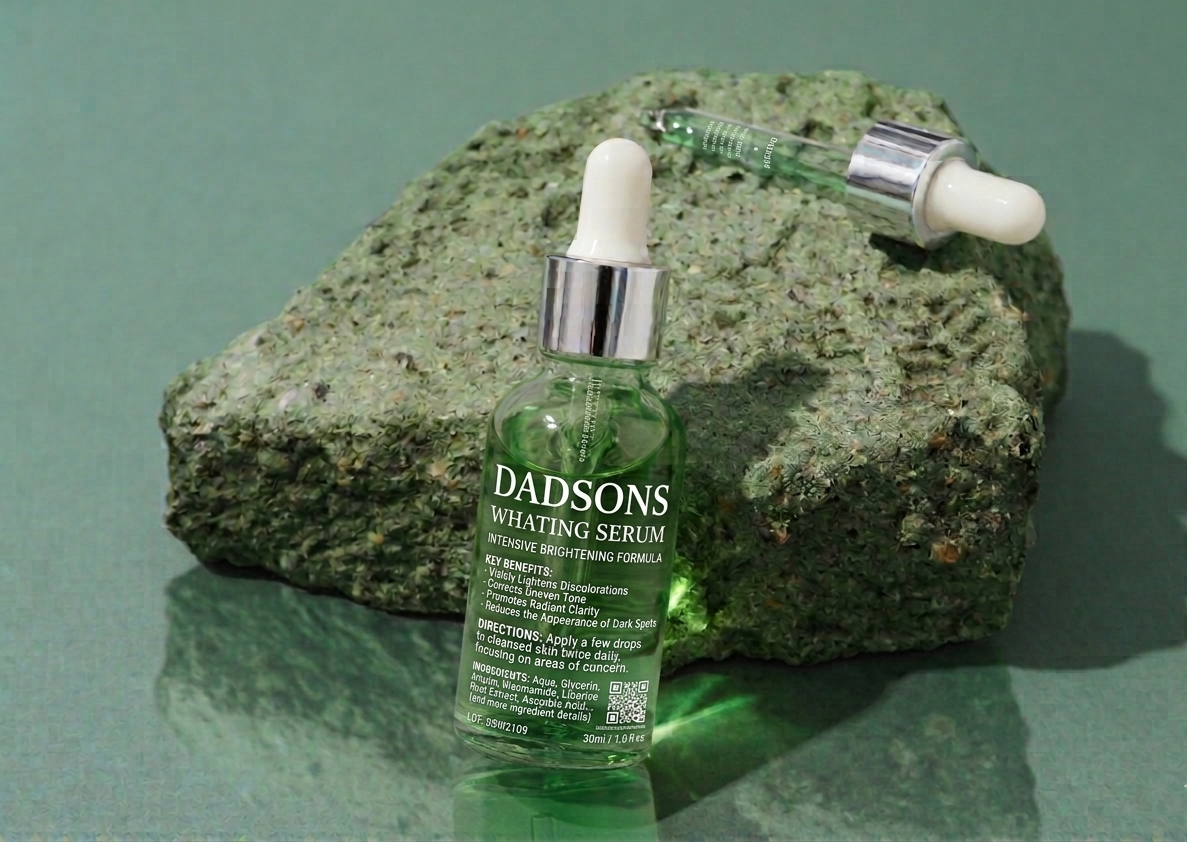
Healthy and glowing skin requires proper care, and skincare products play an important role in maintaining skin health. One product that has become increasingly popular in modern skincare routines is Face serum. Many people use serums because they contain concentrated ingredients designed to target specific skin concerns such as dryness, acne, dullness, wrinkles, and uneven skin tone.
Unlike heavy creams, serums usually have lightweight formulas that absorb quickly into the skin. They are designed to deliver active ingredients deeply and effectively for better skincare results. Different serums contain different ingredients depending on skin needs, including vitamin C, hyaluronic acid, niacinamide, and retinol. Choosing the right product according to your skin type can help improve overall skin texture and appearance. Understanding what serums are and how they work is essential for building a healthy skincare routine.
A Face serum is a lightweight skincare product that contains concentrated active ingredients designed to address specific skin concerns. Unlike traditional moisturizers, serums are made with smaller molecules that penetrate the skin more effectively. Many people use serums to improve hydration, reduce dullness, control acne, and minimize signs of aging.
Serums are usually applied after cleansing and before moisturizing for better absorption and effectiveness. Because they are lightweight, they do not leave the skin feeling greasy or heavy after application. Different skin types require different formulas, so selecting the right serum is important for achieving good results. Consistent use can improve skin texture and help maintain a smoother and healthier appearance over time. Proper skincare habits combined with suitable products can support naturally glowing skin.
There are many types of Face serum products available, each designed to target different skincare concerns and skin types. Vitamin C serums are commonly used to brighten the skin and reduce dullness caused by pollution and sun exposure. Hyaluronic acid serums help maintain hydration by attracting moisture into the skin and improving softness. Niacinamide serums are popular because they help reduce oiliness, redness, and uneven skin texture. Retinol serums are often recommended for improving fine lines and supporting skin renewal gradually. Tea tree and salicylic acid serums are usually preferred for oily and acne-prone skin because they help reduce breakouts. Choosing the right ingredients according to your skin’s needs is important for better results. Reading ingredient labels carefully can help avoid products that may irritate sensitive skin.
Using the correct Face serum consistently can improve skin condition gradually over time. Many people expect immediate changes after applying skincare products, but most serums require regular use before visible improvements appear. Applying too many strong products together may irritate the skin barrier and cause redness or dryness. Gentle and balanced skincare routines are usually more effective than complicated routines with excessive products. People with sensitive skin should patch-test new serums before applying them to the entire face. Hydration and sunscreen are also important because they support overall skin health and protect against environmental damage. Balanced skincare habits often produce healthier and longer-lasting results naturally. Healthy skin develops through patience, consistency, and proper care.
Using a Face serum regularly can provide several skincare benefits depending on the ingredients and skin type. Hydrating serums help maintain moisture balance and prevent dryness that may cause rough or flaky skin. Brightening serums may improve dull skin and help create a fresher and more radiant appearance. Many serums are designed to support smoother skin texture and minimize the appearance of pores gradually. Acne control serums can help reduce breakouts and excess oil production while maintaining skin comfort.
Applying Face serum properly can also improve the effectiveness of other skincare products used afterward. Serums are usually absorbed quickly into clean skin, allowing active ingredients to work efficiently. Moisturizers applied after serum help lock in hydration and support the skin barrier. Sunscreen is another important step because some active ingredients may increase sensitivity to sunlight. People should avoid using excessive amounts of serum because a few drops are usually enough for the entire face. Consistent application morning or night can improve overall skin condition gradually. Proper skincare routines combined with healthy habits such as hydration and sleep also contribute to better skin health. Balanced skincare approaches are generally more sustainable for long-term results.
Many people make skincare mistakes that reduce the effectiveness of their Face serum or cause irritation unnecessarily. One common mistake is applying serum on dirty skin because impurities may prevent proper absorption of active ingredients. Using too much product is another issue because excess serum may not improve results and can waste product unnecessarily. Some people combine multiple strong ingredients together without understanding how they interact with the skin. This may lead to redness, peeling, or irritation instead of healthier skin. Skipping moisturizer after serum application can also leave the skin feeling dry or uncomfortable. Patch-testing new products is important for avoiding allergic reactions or sensitivity issues. Gentle and consistent skincare routines are often more effective than aggressive treatments.
Another common mistake while using Face serum is expecting overnight results from skincare products. Most serums require regular use for several weeks before visible improvements appear. Switching between products too frequently may also prevent the skin from adjusting properly. People often forget sunscreen after applying brightening or anti-aging serums, which may increase sun sensitivity and damage. Applying skincare products in the wrong order can also reduce effectiveness significantly. Cleansing should always come before serum application to allow better absorption into the skin. Healthy skincare routines depend on patience, proper application methods, and choosing suitable products carefully. Long-term skincare success comes from consistency rather than temporary quick fixes.
Knowing how to apply skincare products correctly is just as important as choosing the right ingredients and formulas. A Face serum should generally be applied after cleansing and before moisturizing for maximum effectiveness. Clean skin allows active ingredients to absorb properly without blockage from dirt or excess oil. Most serums require only a few drops because concentrated formulas spread easily across the face. Gently pressing the serum into the skin instead of rubbing harshly can improve absorption and reduce irritation. Allowing the serum to settle for a short time before applying moisturizer helps improve effectiveness. Following proper application steps consistently can support healthier and more balanced skin over time. Simple skincare routines are often easier to maintain and produce better long-term results.
A proper Face serum routine can vary depending on the ingredients and individual skin concerns. Vitamin C serums are often preferred during the morning because they help protect the skin from environmental damage and dullness. Hydrating serums with hyaluronic acid can be used both morning and night for maintaining moisture balance. Retinol serums are usually recommended at night because sunlight may reduce their effectiveness and increase sensitivity. Cleansing before applying serum helps remove oil, sweat, and impurities from the skin surface. Moisturizer should always follow serum application to maintain hydration and support the skin barrier. Sunscreen is essential during the daytime to protect the skin from harmful UV rays. Consistent skincare habits often improve skin appearance gradually over time.
People with oily skin may prefer lightweight gel-based Face serum formulas that absorb quickly without leaving greasy residue. Dry skin types often benefit more from hydrating serums combined with nourishing moisturizers. Sensitive skin requires gentle products with calming ingredients to minimize irritation and discomfort.Overusing strong products may damage the skin barrier and increase redness or peeling. Simple routines focused on consistency usually provide healthier and more sustainable results. Understanding your skin type can help you choose products more effectively. Healthy skin develops gradually through balanced and patient skincare habits.
Moisturizing after applying Face serum is an essential step because it helps seal hydration into the skin. Serums deliver concentrated ingredients deeply, but moisturizers help maintain the skin barrier and prevent moisture loss. Skipping moisturizer may leave the skin feeling dry, especially when using active ingredients like retinol or salicylic acid. Lightweight moisturizers are often suitable for oily skin, while richer creams may benefit dry skin types. Applying moisturizer immediately after serum can improve softness and maintain skin comfort throughout the day. Balanced hydration helps reduce irritation and supports healthier-looking skin naturally. Consistent moisturizing habits also improve overall skin texture gradually. Proper skincare routines should always include cleansing, serum application, moisturizing, and sunscreen.
Selecting the right Face serum depends on understanding your skin type and identifying your main skincare concerns. Oily and acne-prone skin may benefit from niacinamide or salicylic acid serums that help control oil and breakouts. Dry skin usually responds better to hydrating ingredients such as hyaluronic acid and glycerin. Sensitive skin often requires fragrance-free and soothing ingredients that reduce irritation gently. Brightening serums with vitamin C may help dull or uneven skin appear fresher and healthier. Anti-aging serums are commonly used to support smoother skin texture and reduce visible fine lines. Reading ingredient labels carefully can help avoid products that may not suit your skin type. Choosing suitable skincare products is important for maintaining healthier and more comfortable skin.
A Face serum can be a valuable addition to any skincare routine because it targets specific skin concerns with concentrated ingredients. Whether your goal is hydration, acne control, brightening, or anti-aging care, selecting the right serum can improve skin texture and overall appearance gradually Dadsons Cosmetics Consistent application, proper moisturizing, and daily sunscreen use are all important for achieving better skincare results. Healthy skin requires patience, balanced routines, and products that match your skin type and individual needs.
What is Face serum used for?
Face serum is used to target specific skin concerns such as dryness, acne, dullness, wrinkles, and uneven skin tone.
Can I use Face serum every day?
Yes, most serums can be used daily depending on the ingredients and your skin type.
Should I apply moisturizer after serum?
Yes, moisturizer helps lock in hydration and supports the skin barrier after applying serum.
Which serum is best for oily skin?
Niacinamide and salicylic acid serums are commonly recommended for oily and acne-prone skin.
Can beginners use Face serum?
Yes, beginners can safely use serums by starting with gentle ingredients and applying them consistently.

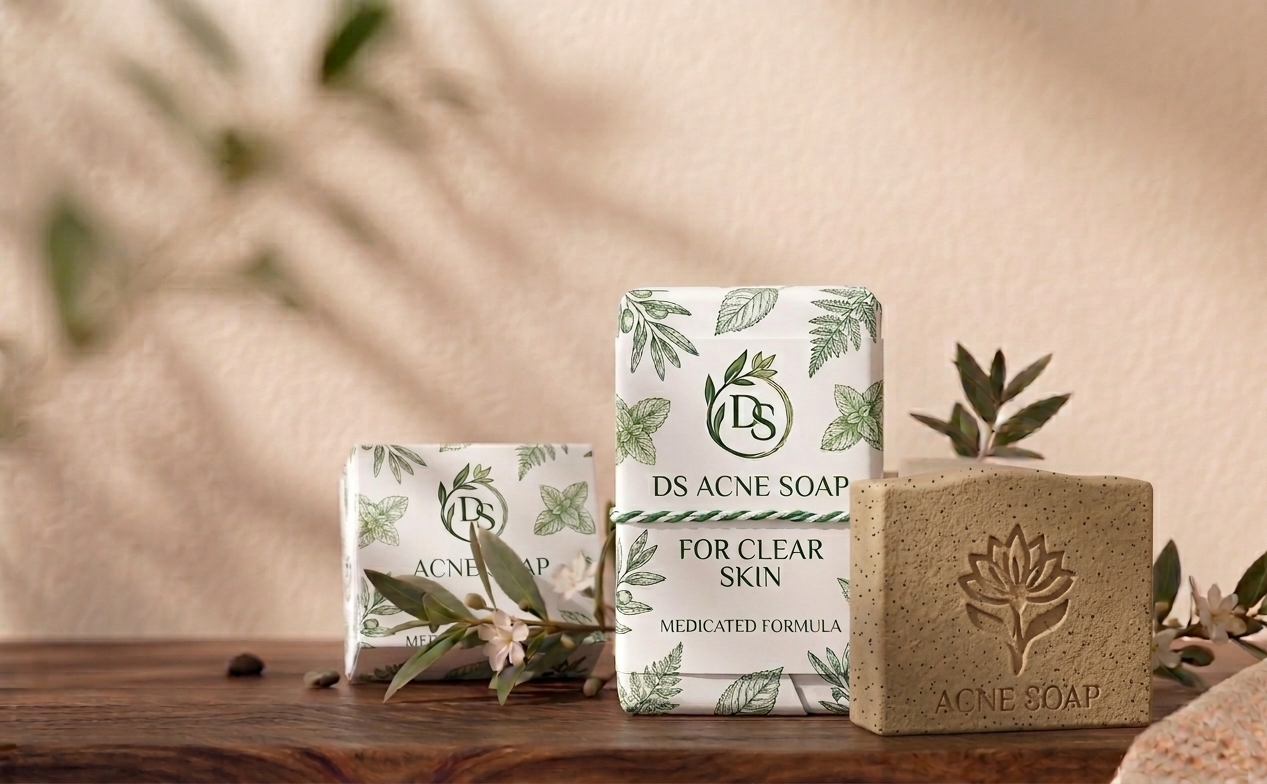

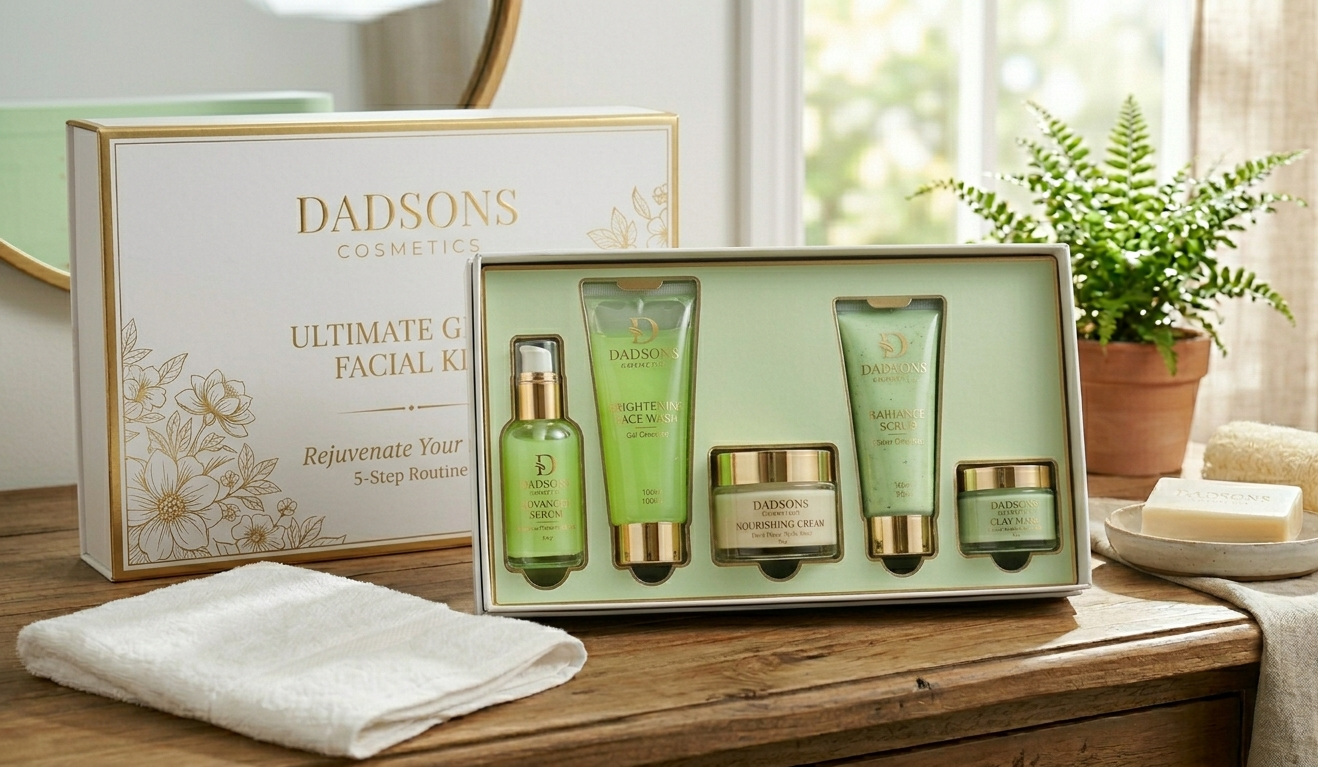
is a beauty brand offering affordable, high-quality skincare and cosmetix.