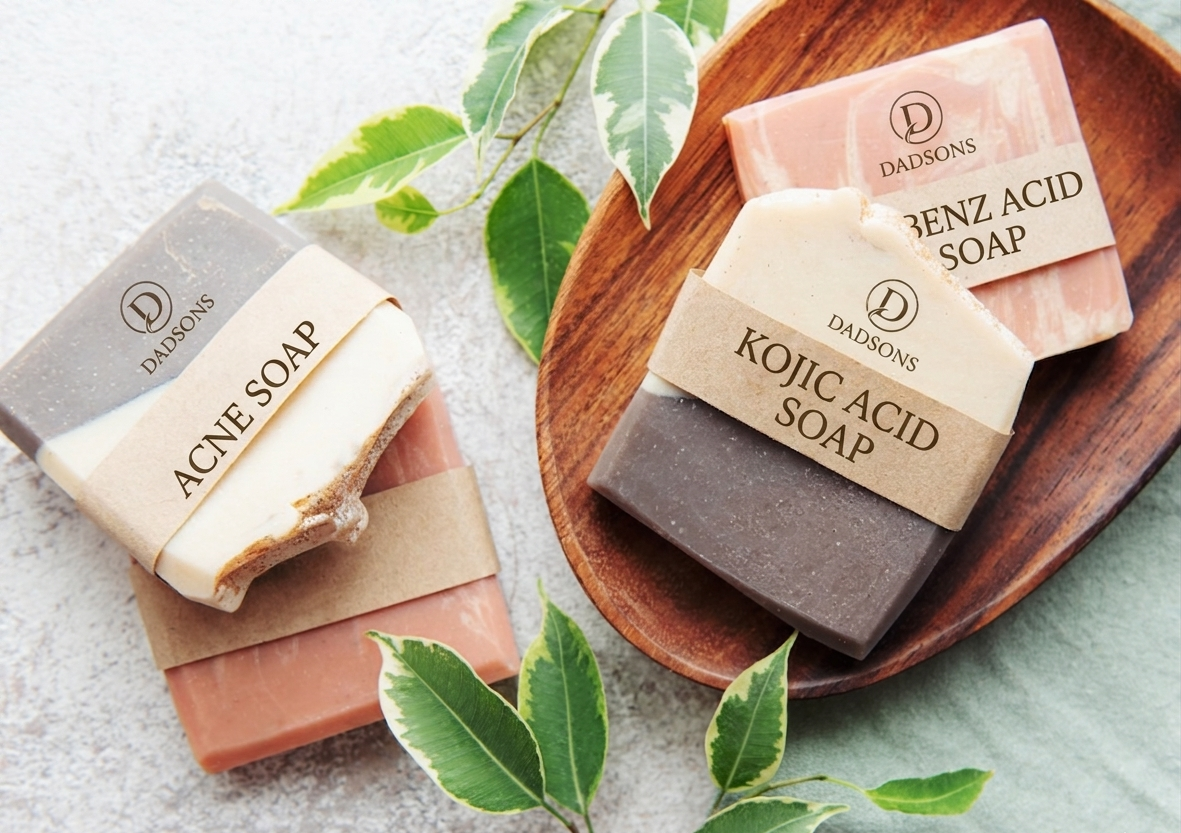
Finding the right soap for pimples and oily skin can make a huge difference in your daily skincare routine. People with oily skin often struggle with excess sebum, clogged pores, blackheads, and painful acne breakouts that affect both appearance and confidence. Choosing the correct soap helps remove dirt, sweat, and oil while keeping the skin balanced and healthy. However, not every cleansing product works the same way for everyone. Understanding the ingredients and knowing what suits your skin type can help you make a better decision. This guide explains which soap is best for pimples and oily skin and how to use it effectively for clearer-looking skin.
People with oily and acne prone skin need cleansing products that target excess oil without damaging the skin barrier. A good soap should remove impurities, reduce pore blockage, and help prevent future breakouts. Selecting products with proven ingredients can improve skin texture and reduce inflammation over time. Rather than choosing products based on advertising claims, it is better to focus on formulations supported by skincare experts and suitable for your individual needs.
Salicylic acid is one of the most effective ingredients for acne-prone skin because it penetrates deep into pores and dissolves excess oil and dead skin cells. It works as a beta hydroxy acid that gently exfoliates the skin and minimizes the chances of clogged pores developing into pimples. A soap containing salicylic acid can help reduce blackheads, whiteheads, and recurring breakouts when used consistently as part of a balanced skincare routine.
Although salicylic acid soap offers many benefits, users should avoid overusing it because excessive cleansing can lead to dryness and irritation. Most people achieve the best results by washing their face twice daily and following up with a lightweight moisturizer. Patience is important because improvements in acne usually occur gradually rather than overnight. Consistent use and proper skincare habits often provide the most noticeable benefits.
Sulfur has been used for many years as a treatment for acne because of its ability to absorb excess oil and promote the removal of dead skin cells. Sulfur soap can be especially beneficial for people who struggle with greasy skin throughout the day. By reducing the buildup of oil and debris on the skin surface, sulfur helps minimize the appearance of pimples and clogged pores.
One drawback of sulfur soap is its distinctive smell, which some individuals may find unpleasant. However, many users overlook this issue because of the positive effects it can have on oily and acne-prone skin. To avoid irritation, it is advisable to introduce sulfur-based products gradually and monitor how your skin responds before making them a regular part of your routine.
Tea tree oil is widely appreciated for its antibacterial and anti-inflammatory properties. A soap containing tea tree oil may help combat acne-causing bacteria while soothing redness and irritation associated with pimples. It offers a more natural approach to skincare and is often preferred by individuals seeking plant-based ingredients in their cleansing products.
Although tea tree oil soap may provide relief for mild acne, it is still important to perform a patch test before full use. Some people with sensitive skin may experience irritation or dryness when exposed to concentrated essential oils. Combining gentle cleansing with hydration and sun protection often delivers the best long-term results for maintaining healthy skin.
Even the best soap cannot produce ideal results without proper skincare habits. The way you cleanse your face influences how your skin responds to treatment. Gentle techniques, consistency, and supportive products all contribute to healthier-looking skin. Developing a routine that respects your skin barrier can improve the effectiveness of acne-fighting ingredients and help prevent future breakouts.
Many individuals believe that repeatedly washing the face will eliminate pimples faster, but this approach often has the opposite effect. Excessive cleansing can strip the skin of its natural oils and trigger increased oil production as the body attempts to compensate. Using a suitable soap twice a day is generally enough to keep the skin clean and balanced.
When washing your face, use lukewarm water and gentle circular motions rather than aggressive scrubbing. Harsh rubbing can irritate active acne and contribute to redness or discomfort. After cleansing, gently pat the skin dry with a clean towel instead of rubbing vigorously. These simple habits support healing and help maintain the skin’s protective barrier.
Understanding product labels can help you select the right soap for your needs. Ingredients such as salicylic acid, sulfur, and tea tree oil are commonly associated with acne control, while heavily fragranced formulas may irritate sensitive skin. Taking the time to review ingredient lists can prevent unnecessary reactions and improve your chances of finding a suitable cleanser.
Consumers should also avoid assuming that expensive products automatically provide better results. A well-formulated soap with proven ingredients can be effective regardless of its price point. Choosing products designed specifically for oily and acne-prone skin often leads to better outcomes than relying solely on marketing claims or attractive packaging.
Using an acne-friendly soap is only one part of maintaining healthy skin. Applying an oil-free moisturizer after cleansing helps preserve hydration and prevents excessive dryness that may worsen irritation. Proper moisturization also supports the skin barrier, allowing active ingredients to work more effectively without causing discomfort.
Daily sunscreen use is equally important, particularly when using exfoliating ingredients that increase sun sensitivity. Protecting the skin from ultraviolet damage can reduce the appearance of post-acne marks and support overall skin health. Combining the right soap with moisturizing and sun protection creates a more comprehensive and effective skincare routine.
Choosing which soap is best for pimples and oily skin depends on your skin type, ingredient preferences, and consistency in following a proper routine. Salicylic acid, sulfur, and tea tree oil remain among the most trusted ingredients for managing excess oil and acne breakouts. Avoid harsh cleansing practices, support your skin with hydration, and give products enough time to work dadsonscosmetix With patience and the right soap, achieving clearer, healthier looking skin becomes an attainable goal rather than a frustrating challenge.
Which soap is best for pimples and oily skin?
A soap containing salicylic acid is often recommended because it helps unclog pores, remove excess oil, and reduce acne breakouts effectively.
Can I use soap on oily skin every day?
Yes. Using a gentle soap twice daily is generally sufficient for cleansing oily skin without causing excessive dryness.
Is sulfur soap effective for acne?
Sulfur soap can help absorb excess oil and remove dead skin cells, making it useful for individuals dealing with oily and acne-prone skin.
Does tea tree oil soap help with pimples?
Tea tree oil soap may reduce acne-causing bacteria and soothe inflammation, particularly in cases of mild acne.
Can the wrong soap worsen pimples?
Yes. A harsh or unsuitable soap may irritate the skin, disrupt the skin barrier, and potentially increase acne breakouts.
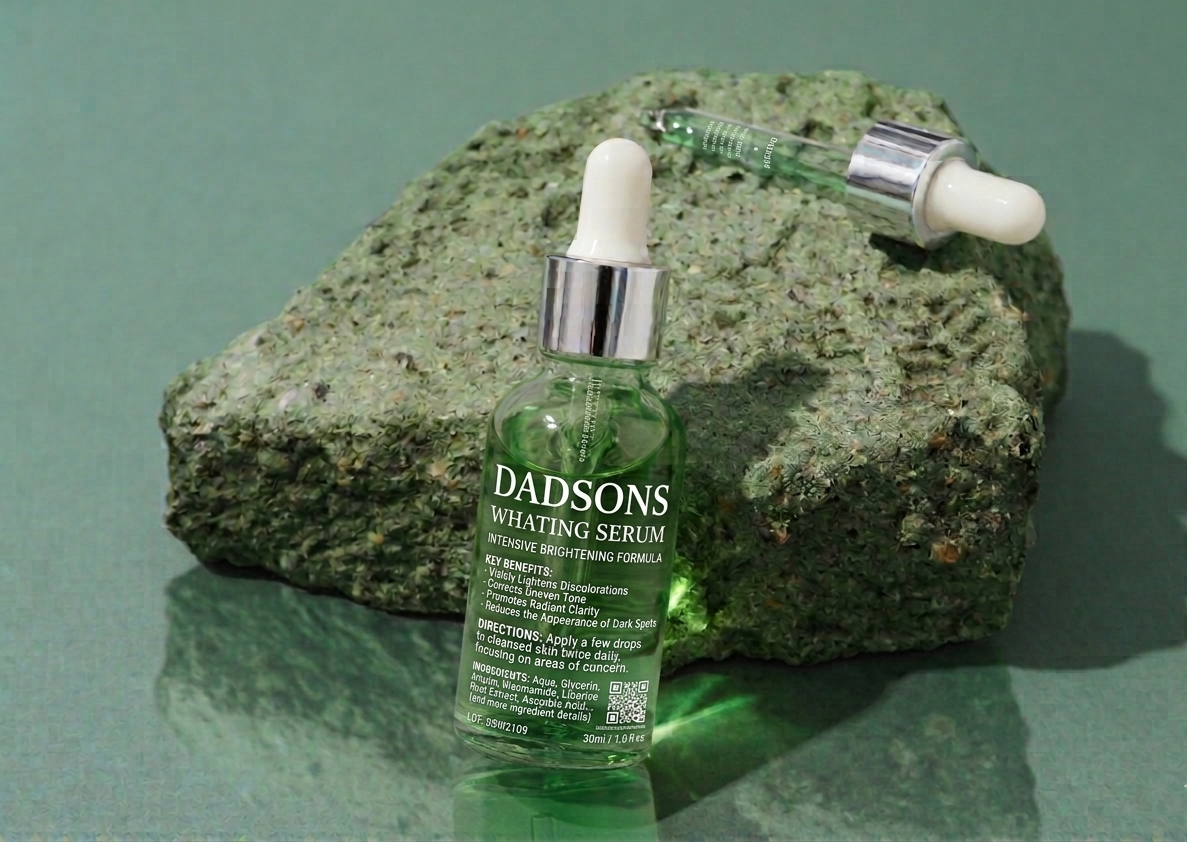

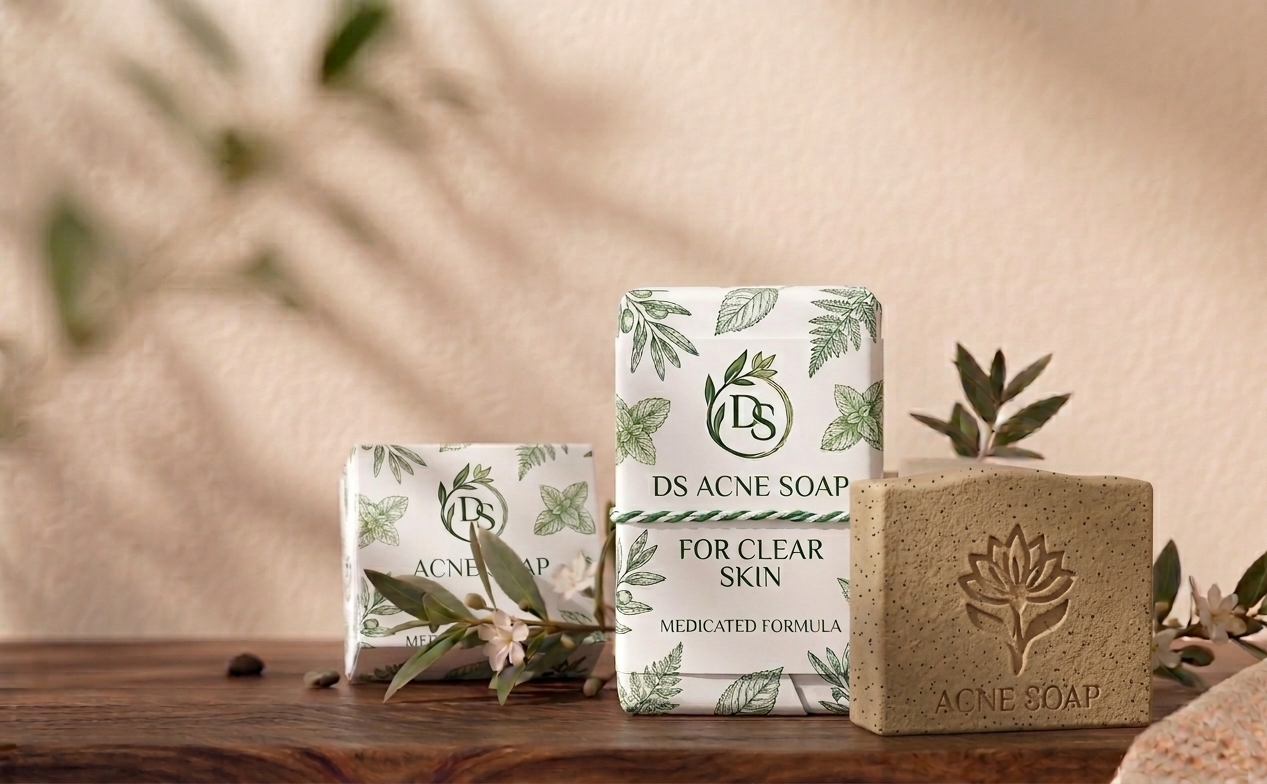
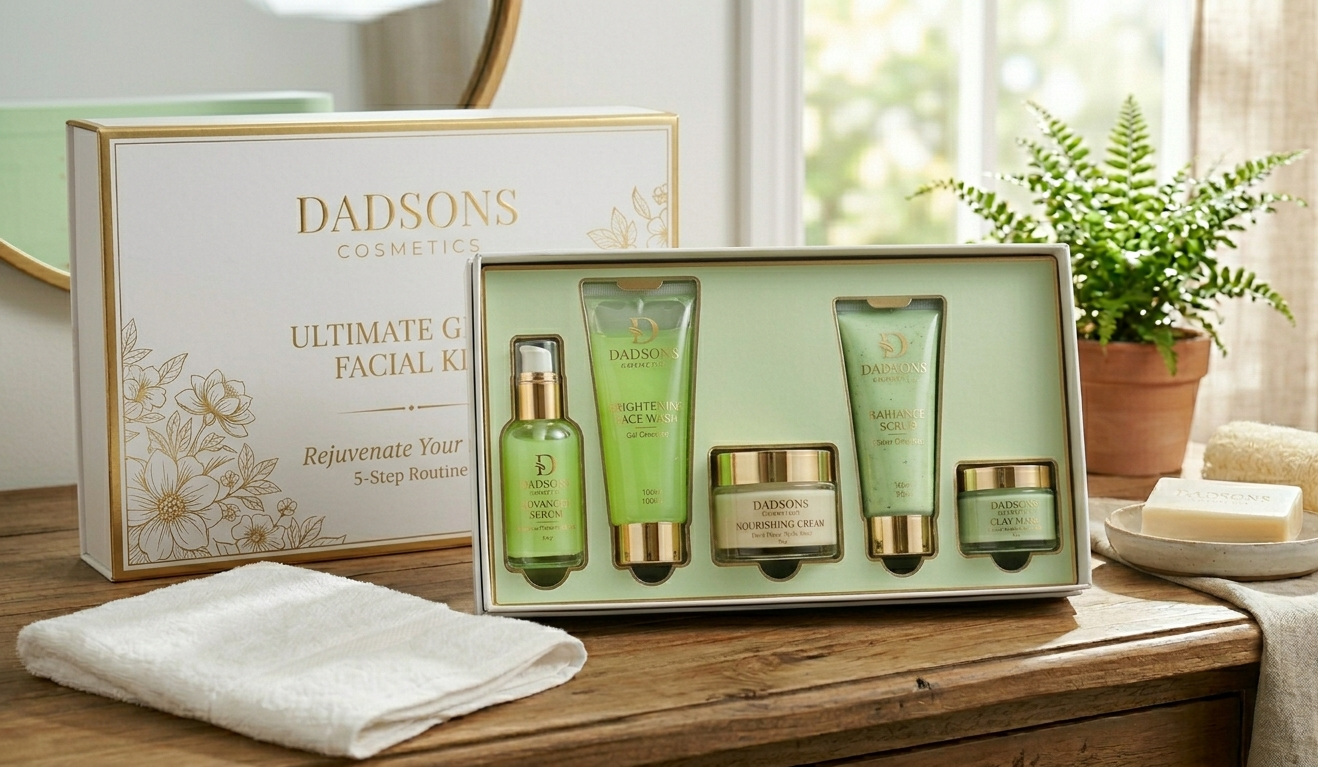
is a beauty brand offering affordable, high-quality skincare and cosmetix.
100% Original product that covered warranty by the vendor.
Dad & Sons Costmatix uses high-quality materials and provides a product warranty, ensuring durability and customer satisfaction.
Your orders are shipped seamlessly between pakistan
Your payments are secure with our private security network.
+92 3137156216
