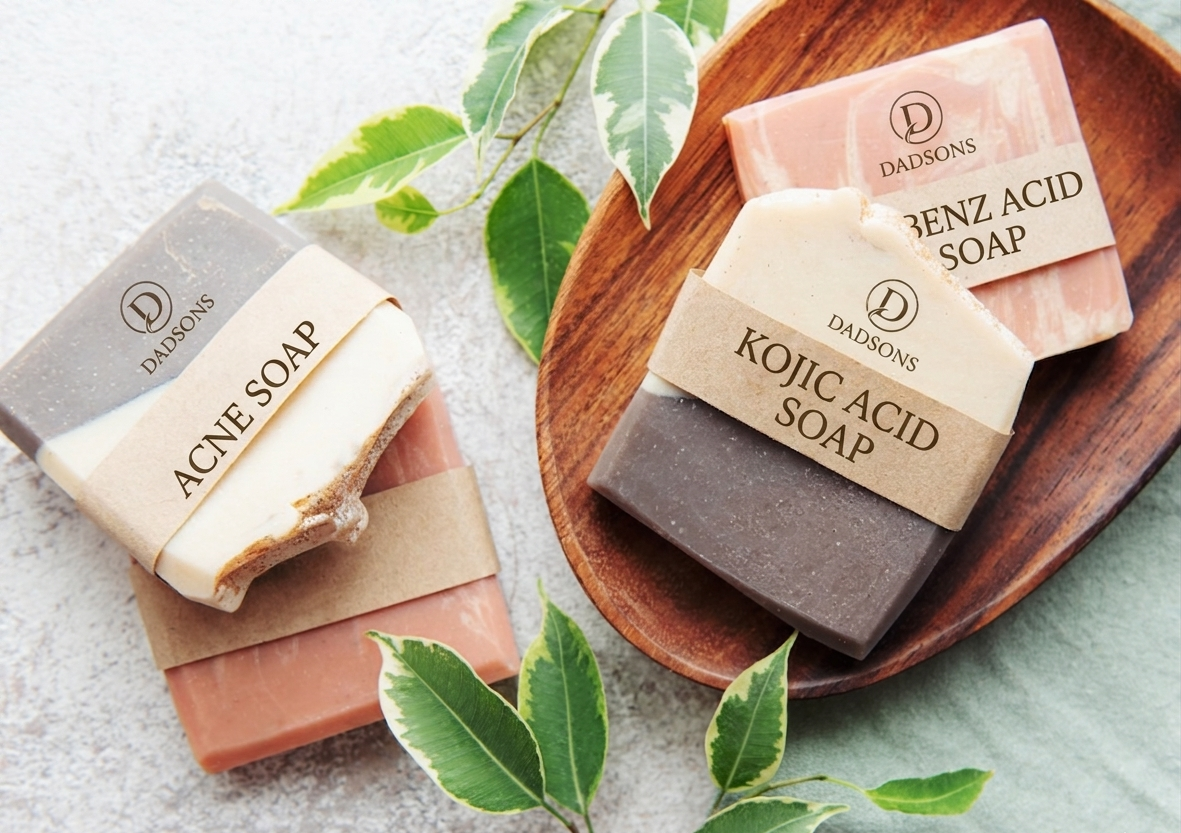

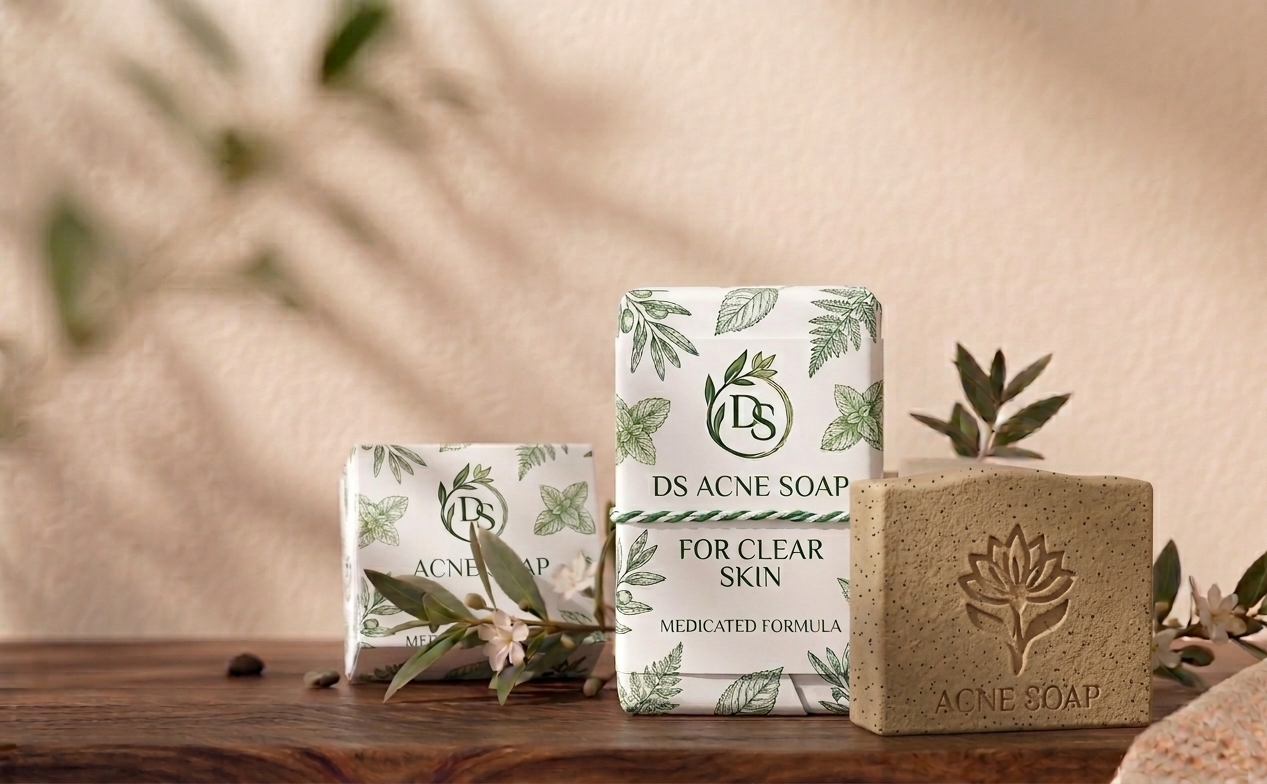
Oily skin and acne are two of the most common skincare concerns faced by many people today. Excess oil production can clog pores, attract dirt, and lead to frequent breakouts that affect skin texture and confidence. Choosing the right acne soap is an important step in maintaining healthy and clear skin because the wrong cleanser may worsen irritation or dryness. A good soap should remove excess oil gently while protecting the skin barrier from damage. Many people use harsh products that strip the skin completely, but balanced cleansing is the key to long-term skincare success. Ingredients such as salicylic acid, tea tree oil, sulfur, and charcoal are often used in soaps designed for acne-prone skin. Consistent cleansing habits and a proper skincare routine can significantly improve oily skin over time. Understanding your skin’s needs will help you choose products that support healthier and clearer skin naturally.
Oily skin occurs when the sebaceous glands produce excess sebum on the surface of the skin. This extra oil can combine with dead skin cells and bacteria, causing clogged pores, blackheads, and acne breakouts. Selecting the right acne soap is essential because oily skin requires deep cleansing without excessive dryness or irritation. Many soaps are designed specifically to control oil production while maintaining hydration and balance. A good cleansing routine helps reduce shine and keeps the pores cleaner throughout the day. Women and men with oily skin should avoid harsh soaps containing strong chemicals or alcohol because they may damage the skin barrier. Gentle cleansing twice daily is usually enough to maintain healthy skin without over-cleansing. Proper skincare habits can improve skin texture, reduce breakouts, and support a clearer appearance over time.
The ingredients present in an acne soap play a major role in determining its effectiveness for oily skin. Salicylic acid is one of the most common ingredients because it helps unclog pores and remove excess oil from the skin surface. Tea tree oil is also widely used due to its natural antibacterial properties that help reduce acne-causing bacteria. Charcoal-based soaps are popular for oily skin because they absorb dirt and impurities from clogged pores effectively. Sulfur is another beneficial ingredient that may help reduce inflammation and excess sebum production. Aloe vera and glycerin are often added to provide hydration and prevent dryness after cleansing. Choosing soaps with balanced formulations can improve acne without irritating the skin barrier. Reading ingredient labels carefully is important before selecting any skincare product.
Using an acne soap with beneficial ingredients consistently can help improve overall skin condition gradually. Many people expect instant results from acne products, but skincare improvements usually take time and patience. Harsh products may temporarily dry out pimples, but they can also trigger increased oil production later. Gentle and consistent cleansing is more effective than aggressive treatments that irritate the skin. Women and men with sensitive oily skin should patch-test new soaps before regular use. Combining a good cleanser with moisturizer and sunscreen creates a healthier skincare routine overall. Hydration is still important even for oily skin because dehydrated skin may produce more oil to compensate. Healthy skincare habits support long-term acne control and smoother skin texture.
Creating a proper cleansing routine is just as important as choosing the right acne soap for oily skin. Washing the face twice daily is generally enough for controlling oil and removing dirt effectively. Overwashing can strip the skin’s natural moisture barrier and increase oil production instead of reducing it. Lukewarm water is better than hot water because it cleanses gently without causing irritation. Applying soap using soft circular motions helps clean the pores without damaging the skin surface. Scrubbing aggressively may worsen inflammation and trigger redness or acne breakouts. After cleansing, using a lightweight moisturizer helps maintain hydration and prevent excessive dryness. Consistency in skincare routines often produces better results than constantly switching between products.
People with oily skin should also pay attention to hygiene habits beyond facial cleansing. Dirty pillowcases, makeup brushes, and touching the face frequently can contribute to acne breakouts. Makeup products labeled non-comedogenic are usually better because they are less likely to clog pores. Cleansing after sweating or exercising can also help prevent oil buildup and bacteria accumulation. Sunscreen is another essential step because oily skin still needs protection from sun damage. Lightweight gel-based sunscreens are usually more comfortable for acne-prone skin types. Drinking enough water and maintaining a healthy diet may also support better skin health naturally. Balanced skincare habits combined with proper cleansing can significantly improve oily and acne-prone skin over time.
Many people unknowingly make skincare mistakes that reduce the effectiveness of their acne soap and worsen oily skin problems. One common mistake is using strong soaps too frequently in an attempt to remove every trace of oil from the face. Excessive cleansing may damage the skin barrier and trigger even more oil production. Another mistake is skipping moisturizer because oily skin still requires hydration to remain balanced and healthy. Using very hot water while washing the face can also irritate the skin and increase dryness. Picking or squeezing pimples may spread bacteria and leave permanent acne scars on the skin. Applying too many acne products together may also cause redness, peeling, and irritation. Simple and gentle skincare routines are often safer and more effective for long-term skin improvement.
Using the wrong skincare products with an acne soap may also affect overall skin health negatively. Heavy creams and oily makeup products can clog pores and contribute to breakouts. Some people change soaps too quickly without giving products enough time to show results. Consistency is important because many acne treatments require several weeks before visible improvement appears. Ignoring sunscreen is another mistake because sun exposure may worsen acne marks and uneven skin tone. Sleeping with makeup on can block pores and increase bacterial buildup overnight. Healthy skin requires patience, proper hygiene, and balanced skincare habits rather than harsh treatments alone. Avoiding common mistakes can help oily skin become clearer, smoother, and healthier over time.
Using the right acne soap regularly offers several long-term benefits for oily and acne-prone skin. A suitable cleanser removes dirt, sweat, pollution, and excess oil without damaging the natural skin barrier. Consistent cleansing helps keep pores cleaner and reduces the chances of blackheads and acne breakouts. Proper skincare routines may also improve skin texture and reduce visible shine throughout the day. Many people notice smoother and fresher skin when they use gentle acne-control products consistently. Cleansing properly also allows moisturizers and acne treatments to absorb more effectively into the skin. Maintaining balanced skincare habits supports healthier skin and may improve overall confidence naturally. Healthy and clear skin usually develops through consistency, patience, and choosing suitable products for your skin type.
Not every acne soap works the same way for every individual because skin types and acne severity vary greatly. Some people need oil-control ingredients while others require gentle hydrating formulas for sensitive skin. Gel and charcoal-based soaps are usually preferred for oily skin because they provide deeper cleansing. Sensitive skin types may benefit more from fragrance-free and soothing ingredients like aloe vera or oatmeal. Understanding your skin’s specific needs can help you avoid irritation and unnecessary breakouts. Reading product labels and researching ingredients before purchasing is always recommended. A balanced skincare approach usually produces healthier and more sustainable results over time. Choosing the right products according to skin type is an important step toward clearer skin.
Many people believe oily skin does not need moisturizer, but hydration is still essential after using acne soap. Cleansing removes dirt and excess oil, but the skin still requires moisture to remain balanced and comfortable. Lightweight gel-based moisturizers are often suitable for oily and acne-prone skin types. Proper hydration can help reduce tightness, irritation, and excessive oil production caused by dehydration. Moisturizers also support the skin barrier and improve overall skin texture over time. Applying moisturizer immediately after cleansing helps lock in hydration effectively. Women and men with oily skin should look for non-comedogenic products that do not clog pores. Balanced hydration is an important part of every healthy skincare routine.
Achieving clear skin requires more than simply using the right acne soap because overall skincare habits also matter greatly. Consistent cleansing, proper hydration, and sun protection all contribute to healthier skin over time. Eating a balanced diet and drinking enough water may also support improved skin condition naturally. Stress management and quality sleep are important because stress hormones can sometimes trigger acne breakouts. Keeping skincare routines simple and consistent is often more effective than using too many strong products together. Regular hygiene practices such as cleaning makeup tools and pillowcases can also reduce bacteria buildup. Healthy skincare routines take time, but patience and consistency often produce visible improvements gradually. Long-term skincare success depends on maintaining balanced habits every day.
Choosing the best acne soap for oily skin can make a major difference in achieving cleaner and healthier skin Dadsons cosmetics A good soap should remove excess oil effectively while protecting the skin from irritation and dryness. Ingredients like salicylic acid, tea tree oil, charcoal, and aloe vera can support acne control when used consistently. Balanced cleansing habits, hydration, and healthy skincare practices are equally important for long-term skin improvement. Clear skin develops gradually through patience, consistency, and selecting products that match your skin’s unique needs.
How often should I use acne soap on oily skin?
Most people with oily skin should use acne soap twice daily, once in the morning and once before bedtime.
Can acne soap completely remove pimples?
Acne soap can help reduce breakouts and control oil, but complete results depend on skincare habits, consistency, and skin condition.
Is moisturizer necessary after using acne soap?
Yes, oily skin still requires hydration. A lightweight moisturizer helps maintain skin balance and prevents excessive dryness.
Which ingredients are best in acne soap for oily skin?
Salicylic acid, tea tree oil, charcoal, sulfur, and aloe vera are commonly recommended ingredients for oily and acne-prone skin.
Can I use acne soap with other skincare products?
Yes, but avoid using too many harsh products together because they may irritate the skin and damage the skin barrier.
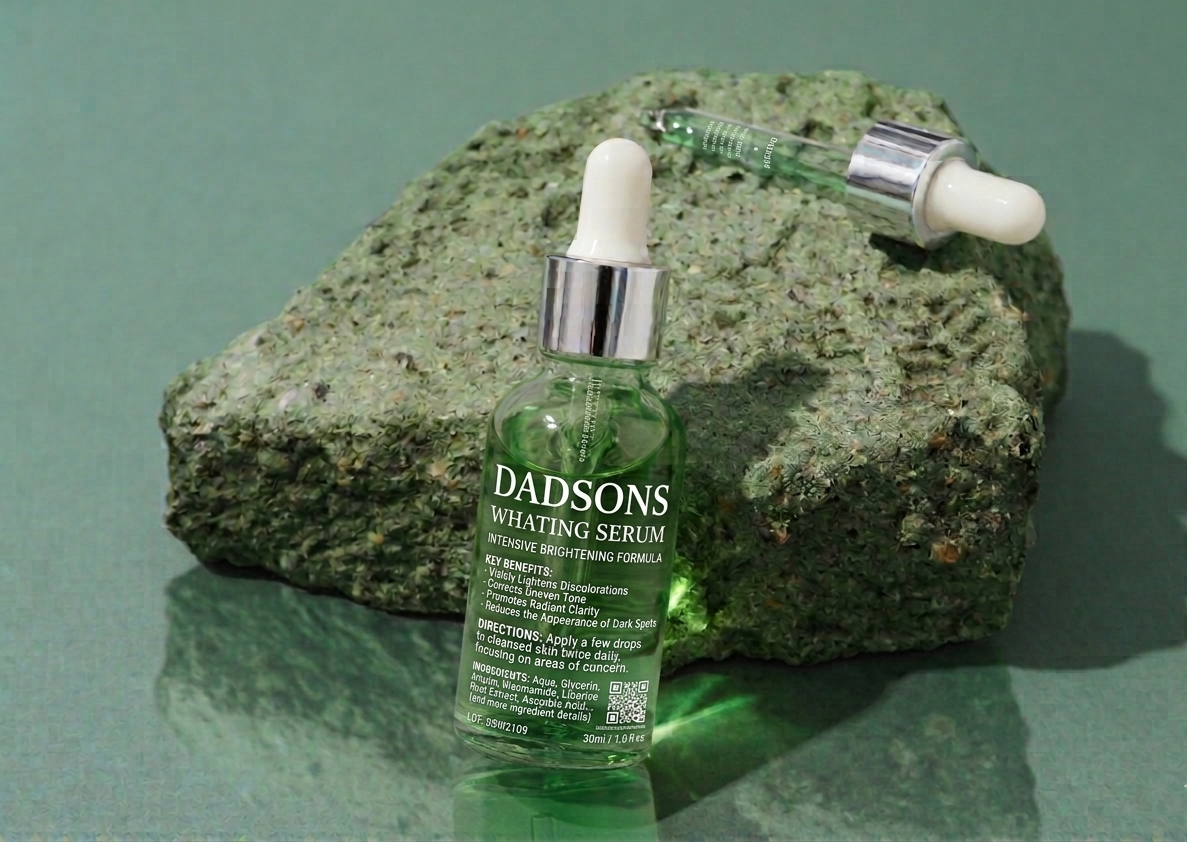

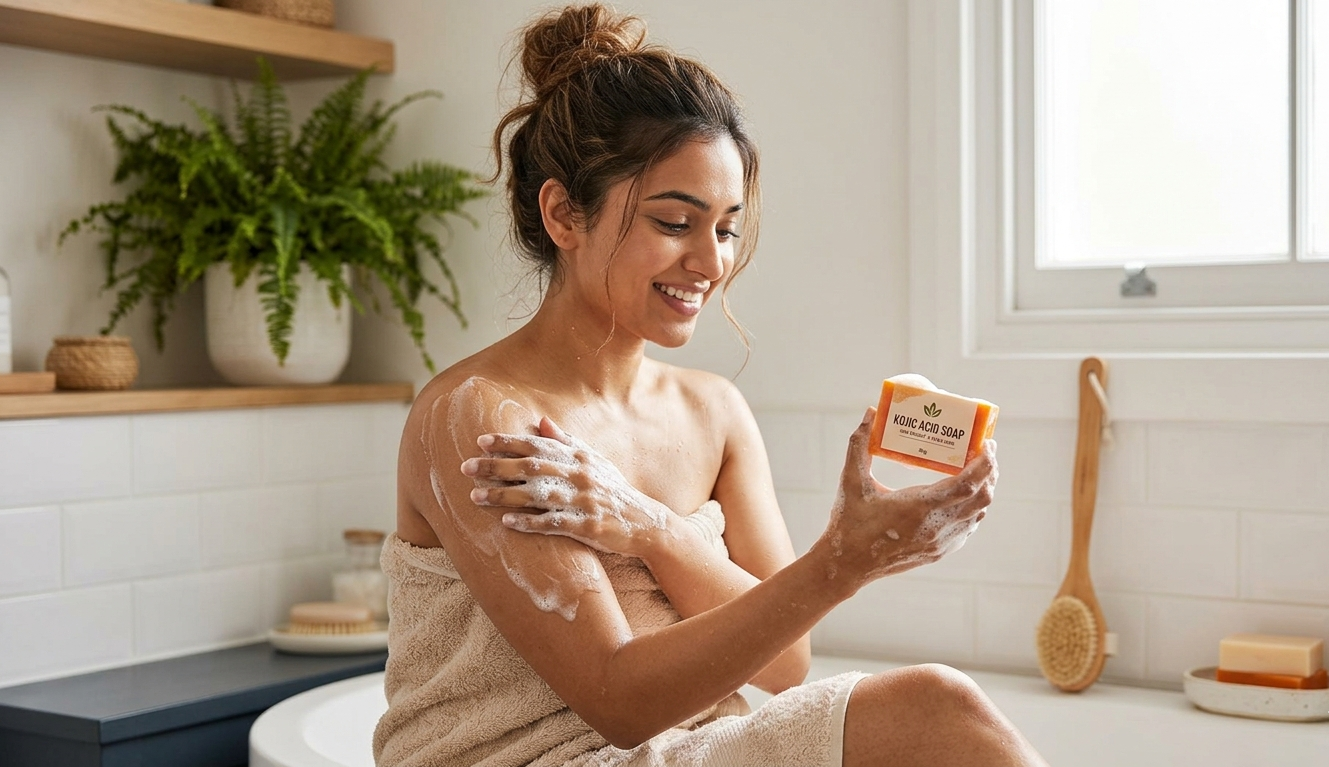
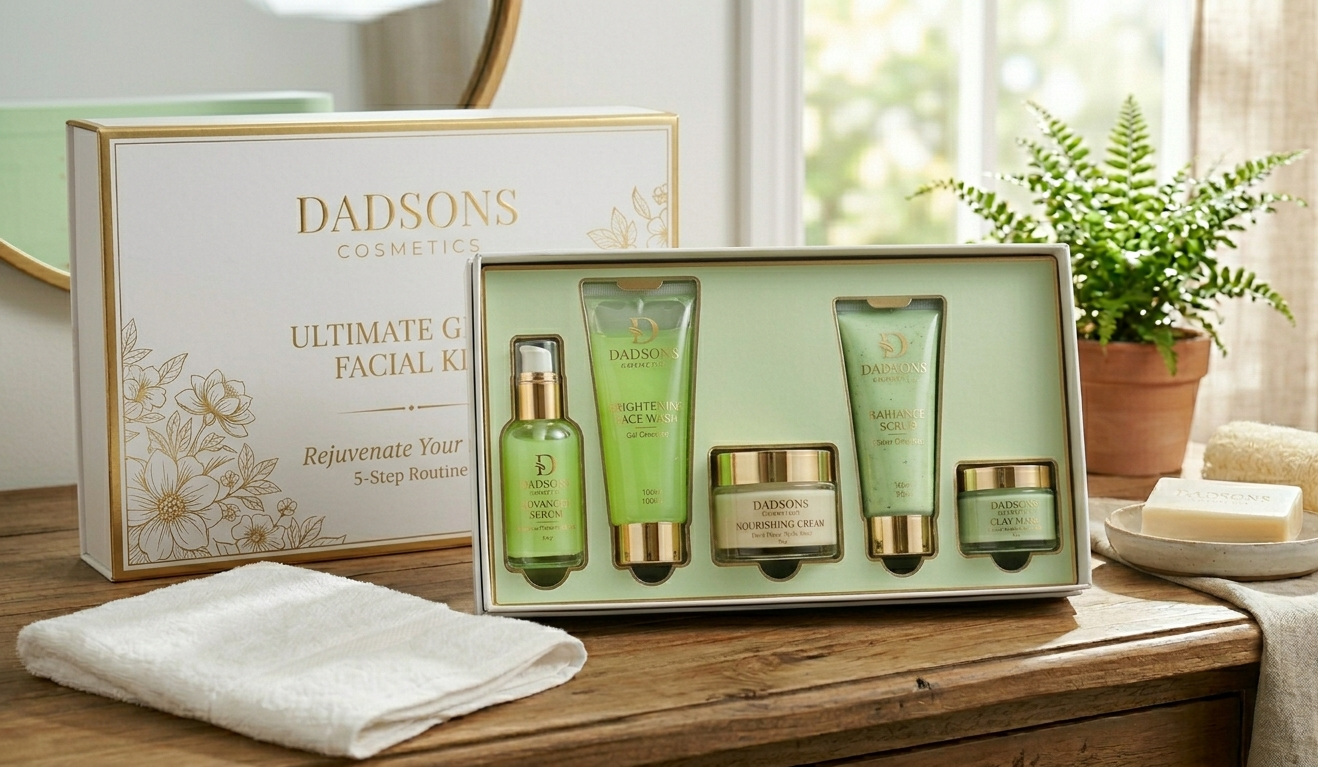

is a beauty brand offering affordable, high-quality skincare and cosmetix.